|
Drum dryers are cutting-edge machines that stand out for their versatility in the food industry (and not only in the food industry). From their inception, these machines have evolved to meet an array of production needs, seamlessly integrating into various manufacturing processes while retaining their core functionality.
Drum dryers, furthermore, play a crucial role in the production of dry food, which is widely consumed by the population, especially in the West: cereal flakes. In this article, we’d like to explore the application of drum dryers in cereal flakes production. Advantages of Using Drum Dryers in the Production of Cereal Flakes: 1. Distinctive Taste: The gentle drying process guaranteed by drum dryers preserves the natural taste of ingredients, ensuring a delicious and wholesome eating experience for infants. 2. Excellent "Porridge-Forming" Characteristics: The products dried using drum dryers exhibit exceptional solubility, swelling behavior, and water absorption properties. This facilitates the effortless preparation of smooth and creamy porridge, ideal for babies transitioning to solid foods. 3. Full Gelatinization: Drum drying technology guarantees that the product is fully gelatinized, ensuring optimal digestibility for babies and infants. This process breaks down starches into readily digestible forms, promoting easier assimilation and minimizing digestive discomfort. 4. Ideal for Baby Consumption: Drum-dried baby food possesses a unique mix of qualities and organoleptic properties, making it ideal for infant consumption. The gentle processing preserves nutritional integrity while ensuring safety and suitability for delicate digestive systems. 5. Nutritional Preservation: Drum dryers preserve the nutritional content of dry food by minimizing heat exposure and maintaining optimal processing conditions. This ensures that essential vitamins, minerals, and nutrients are retained, promoting healthy growth and development in infants. 6. Hygienic Processing: Drum drying technology offers hygienic processing conditions, minimizing the risk of contamination and ensuring the safety of baby food products. The closed-loop system prevents external contaminants from compromising product quality, meeting stringent food safety standards. 7. Consistent Quality: Drum dryers deliver consistent and uniform drying results, ensuring that every batch of dry food meets strict quality standards. 8. Extended Shelf Life: The controlled drying process employed by drum dryers extends the shelf life of dry food products, reducing waste and ensuring product freshness over time. Cereal Flakes Productive Process As mentioned, drum dryers play a crucial role in the productive process of cereal flakes. We can break down the process into several steps. Step 1: Cereals supply The productive process of cereal flakes begins with silos or other types of containers that store raw ingredients. Guided by meticulously crafted formulas, a precise combination of grains, flavorings, and additives, each in the required composition, is carefully weighed within dedicated weighing hoppers. Once they are accurately measured, they are transferred into a turbo mixer. Step 2: Turbo Mixer The turbo mixer combines the weighed ingredients with the appropriate amount of water to initiate the slurry preparation process. This stage is pivotal, as the quality of the final product depends on the thorough mixing achieved within the turbo mixer. The design of the mixer influences the uniformity and homogeneity of the slurry. Step 3: Holding Tanks Following the mixing process, the slurry is transferred to holding tanks. These are equipped with stirring units to facilitate the transition from batch-based mixing to continuous processing. The holding tanks play a crucial role in maintaining the consistency and temperature of the slurry as it progresses through the production line. Step 4: Pre-Heating At this stage, the slurry is pre-heated. The pre-cooking process can happen through a direct (Jet Cooker) or indirect (scraped surface heat exchanger) solution. The pre-cooking process is essential for pasteurizing or sterilizing the slurry, ensuring a low bacterial count, and achieving optimal pre-gelatinization. It prepares the slurry for further processing in subsequent stages. Step 5: Drum Dryer The roller drum dryer stands as the cornerstone of the cereal flakes production line. At this stage, the slurry enters the drum dryer machine, where it is spread thinly and evenly onto the surface of a rotating drum. The surface of the drum is heated, typically through steam or other mechanisms, so that moisture can evaporate from the thin layer of slurry and the desired moisture content can be obtained. Then, a scraped blade removes the dry material from the surface, obtaining crisp cereal flakes. Step 6: Mill Sifter After drying, the cereal flakes undergo milling and sifting processes to achieve the desired particle size and texture. The mill sifter removes any oversized or undersized particles, ensuring uniformity in the final product. Step 7: Storage Silos The storage silos provide temporary storage for the processed cereal flakes before they proceed to further processing or packaging. These silos help manage inventory and ensure a continuous supply of cereal flakes for packaging and distribution. Step 8: Dry Mixer In some production lines, a dry mixer may be utilized to blend additional ingredients or additives with the cereal flakes, such as sugar, cocoa, or other ingredients. This step allows for customization of the final product to meet specific consumer preferences or nutritional requirements. Step 9: Package Machine The package machine automates the packaging process, filling predetermined quantities of cereal flakes into packaging materials such as boxes, bags, or pouches. This step ensures efficient and hygienic packaging of the final product for distribution to consumers. Step 10: Storage Once packaged, the cereal flakes are stored in warehouse facilities before distribution to retailers or consumers. Proper storage conditions are maintained to preserve the quality and freshness of the cereal flakes until they reach their final destination. Conclusion In cereal flakes production, the roller drum dryer stands as a crucial element, highlighting the intersection of technological advancement and culinary refinement. Through this examination of its utility, the drum dryer has demonstrated its essential function in molding the manufacturing domain, embodying precision, dependability, and ingenuity. Its thanks to the application of drum dryers that cereal flakes can have the characteristics of flavor, versatility, and consistency that make them such a successful product worldwide.
0 Comments
Meta-description: The process behind the crafting of potato flakes and the crucial role of drum dryers
Potato flakes are flat chunks of dehydrated potatoes. They are the main ingredient in instant mashed potato products and others. Their main advantage is that they can be easily dehydrated using cold or hot water and used in various recipes. Have you ever wondered how potato flakes, or powder, are made? The process revolves around the use of a drum dryer, and in this article, we’re walking you through every step of it. The process behind making potato flakes As we’ve mentioned, roller dryers are at the base of the potato flakes-making process. However, when potatoes enter the drum dryer machine, they have already been subject to a series of steps, from selection and cleaning to drying and packing. Each of them must be optimized to obtain the best final product. We can break down the process of making potato flakes as follows. Step 1: Selection When it comes to food, the quality of any final product depends largely on the quality of the raw material, and potato flakes are no exception. Different types of potatoes have different characteristics. They vary in dry material content percentages, internal color, buds' depth, reducing sugar content, solanine content, and polyphenol oxidase content. All these characteristics have a different impact on the finished product, for example:
However, the selection process doesn’t stop here: raw materials are always weighed and still further selected to remove moldy potatoes and rotten pieces. Step 2: Stone removal and cleaning Potatoes are moved from storage to a silo and then conveyed to a destoner via a belt elevator. Here, impurities like stones and sand are separated as they sink in a cyclone barrel, while potatoes float. The cleaned potatoes are then scrubbed in a drum cleaning machine and subsequently dehydrated in a vibrating dehydrator. After this, they are conveyed to a steam peeling system. The water used from these processes is filtered and recycled, ensuring efficient usage. This system efficiently cleans potatoes while separating waste and recycling water, streamlining the preparation for further processing. Step 3: Peeling In the peeling stage, potatoes undergo a series of processes to remove stones and impurities and ensure thorough cleaning. The different passages can be summarized as follows:
Step 4: Intermediate Hopper Potatoes proceed to an intermediate hopper via a flow-equalizing screw conveyor for temporary storage, allowing continuous production. Equipment is cleaned, maintained, and monitored, with a liquid level sensor in the hopper halting operations when full. Potatoes are then transported for further processing via a continuous system equipped with a flow control mechanism. Step 5: Slicing The slicer cuts potatoes into slices that are 10-12mm thick, with the thickness varying based on the size of the potato. For smaller potatoes, thinner slices are produced, while thicker slices are made for larger ones. The aim is to achieve uniformity in slice thickness. Step 6: Dehydration Following washing, the potato slices proceed to the vibrating dehydrator for the removal of excess moisture and separation of small potato pieces. Once dehydrated, the potatoes move on to the next stage of the process. Step 7: Blanching Dehydrated potato slices are fed into a horizontal spiral blanching machine filled with hot water (65-75°C) for about 20 minutes. This process gelatinizes starch, maintaining potato cell structure while enhancing intercellular communication. The machine's pump circulation system and temperature control mechanisms ensure uniform blanching. A rotary mechanism removes potato slices and transfers them to a cooler via a conveyor chute. Step 8: Cooling Post-blanching, potato slices enter a horizontal spiral cooler, gradually reducing starch expansion. Cooling occurs in cold water, ideally at 20°C, for about 20 minutes, facilitated by a pump circulation system. Water level and temperature are regulated by an overflow tank mechanism. A wheel mechanism removes cooled slices, transferring them to the next stage via a screw conveyor and rotary valve feeder. Step 9: Steaming In the steaming process, a spiral cooking machine controls cooking time by adjusting its rotation speed, typically ranging from 20 to 40 minutes for various potato varieties. Operating at normal pressure with 4 bar saturated steam at 100°C, the machine utilizes a temperature transmitter and pneumatic valve to automatically regulate cooking temperature. Adjustments to steam injection maintain consistent cooking conditions. Step 10: Mash Cooked potato slices enter a masher via a screw conveyor, where an additive device injects a predetermined mixture. A structured tamping plate compresses the chips, forming mashed potatoes. The mash proceeds to a drum dryer for further processing. Step 11: Drying Mashed potatoes are spread evenly on a drum dryer's spiral, with dressing rollers adjusting gaps to remove impurities. A heating system maintains drum temperature. Controlled scraping devices transfer mashed potatoes between rollers, while dried film is scraped off for pre-pulverization. Two steam heating systems ensure efficient operation. Step 12: Smash Pre-crushed snowflakes are pneumatically transported to a crusher, where an inspection belt manually checks for defects. Qualified products are conveyed to the finished product warehouse via a pneumatic system. Step 13: Finished Product Warehouse The warehouse receives potato powder flakes, delivering them to packaging machines via a conveyor spiral. Dust is collected and treated, with waste gas discharged through an exhaust fan. The warehouse stores at least 2 hours of output. Conclusion This comprehensive article has delved into the intricate process of creating potato flakes, emphasizing the pivotal role of drum dryers throughout the production, and showing the complexity involved in crafting this ubiquitous kitchen staple. In the education journey, there always comes a time to transition from theory to practice. For students venturing into the fields of food processing, chemical engineering, and pharmaceuticals, the transition is crucial, and it’s not without challenges.
At the heart of this key passage lies practical research that builds a bridge between classroom knowledge and real-world application. One instrument stands as a beacon of hands-on learning in the sectors we’ve mentioned above: the laboratory drum dryer. In the following article, we delve into the significance of practical research in student education, focusing on the pivotal role played by the laboratory dryer in shaping tomorrow's industry expertise. Importance of Practical Research in Student Education Practical research is the cornerstone of student education. While theoretical knowledge forms the foundation of understanding, it is through practical research that students can truly grasp concepts, grasp the skills, and develop critical abilities that make them ready for the workplace and for the real world. Practical research reveals to students the real complexities of their chosen fields and allows them to gain firsthand experience of what they're going to do and be responsible for in the workplace. Practical research is important not only to develop the specific skills that a particular job requires, but also other essential skills such as problem-solving, adaptation, and collaboration. This is what truly prepares students to face the challenges and dynamics they will encounter in their future careers. For students engaged in learning how to maneuver special equipment like drum dryers, practical research offers a unique opportunity to develop proficiency and experience in handling the machinery. Not only would it enhance their understanding of the drying process, but also instill confidence and enhance safety in the industrial environment. Description of Laboratory Drum Dryer Laboratory drum dryers allow students to operate drum dryers in a controlled environment. Not only would the possibility to engage directly with the machinery boost their comprehension of its theoretical aspects, but it would also help them develop the required skills and expertise. The lab drum dryer is a comprehensive piece of equipment that features various essential components to facilitate the drying process effectively. At its core lies the main drum, the primary component responsible for creating a thin layer of material to facilitate drying. To ensure uniform application of substances onto the drum surface, the dryer features both contrarotation and corotation applicator rollers. Supporting the operation of the drum dryer is a robust power and driving system, which provides the necessary energy to rotate the drum and rollers. The knife bar functions to scrape the dry substance from the surface and create dry flakes or powder. To maintain optimal drying conditions and prevent moisture buildup, the dryer is equipped with a dehumidification system. This system effectively removes excess moisture from the drying chamber, enhancing drying efficiency and product quality. Moreover, the mechanized gantry provides support and stability to the equipment, ensuring smooth operation during use. Lastly, the electrical control systems serve as the brain of the laboratory drum dryer, allowing for precise control and adjustment of various parameters such as temperature, rotation speed, and drying time. Together, these components form a comprehensive and versatile system that enables efficient and reliable drying processes in laboratory settings. Applications of the Laboratory Drum Dryer The laboratory drum dryer allows students to learn first-hand about its operations, including how it works and its key functions. This hands-on experience provides insight into the industries where drum dryers are most effective, such as food processing, chemical manufacturing, and pharmaceutical production. Understanding when and why to use a drum dryer, along with its specific purposes in various industries, is crucial knowledge gained through experimentation with the equipment. The laboratory setting offers a conducive environment where the main functions of a drum dryer are clearly demonstrated, simplifying comprehension and fostering learning. By dissecting the key sections of a drum dryer and elucidating the roles of each component, students gain a comprehensive understanding of the equipment's functionality and its significance in industrial processes. What are the Advantages of a Laboratory Drum Dryer Investing in a laboratory drum dryer presents numerous advantages for companies operating within sectors reliant on drying processes:
Conclusion The laboratory drum dryer emerges as a catalyst for learning and innovation in industries reliant on drying processes. By providing a platform for hands-on training and experimentation, it empowers both students and industry professionals to gain practical insights, develop essential skills, and enhance safety practices. Investing in a laboratory drum dryer is not merely a financial decision but a strategic investment in the future. As the demand for efficient and sustainable drying solutions continues to rise, embracing the capabilities of the laboratory drum dryer becomes imperative for companies seeking to thrive in an ever-evolving landscape. What is yeast, and where does it come from
Did you know that yeast is a by-product of the (beer) brewing process? However, it is far from being a waste. It contains precious elements such as amino acids, proteins, and minerals, and above all, it is an indispensable ingredient for many food preparations, both industrially and at home: bread, pizza, desserts, and many others. But how do we go from a waste product to such a precious ingredient? The process consists of dehydrating and drying brewer's yeast. In this article, we are going to delve into all the details. Yeast Indirect Drying The secret behind the efficient production of dry yeast is indirect drying, that is, a yeast drying process obtained with a drum dryer. This technique offers a distinct advantage over the traditional direct drying processes, and these are the reasons why:
The heart of the yeast drying process: the drum dryer As mentioned, the indirect yeast drying process is possible only thanks to a specific machine, that is the drum dryer, and particularly a double drum dryer. The double drum dryer is a machine that features two cast iron cylinders that are internally heated through saturated steam. This is the core of the system, but let’s discover how the entire process works. Decanter The yeast drying process begins with the decanter, where the thickened yeast concentrate is prepared. This initial step involves separating the yeast from excess liquid, resulting in a concentrated yeast slurry. Holding Tank The concentrated yeast slurry is then transferred to a holding tank. Here, it is temporarily stored and continuously fed into the next phase of the process, ensuring a consistent supply to the twin drum dryers. Drum Dryer This is the core step of yeast drying. To enhance comprehension, let’s break it into further sub-steps:
Mill Sifte The next stage is the sifting stage that ensures uniformity in particle size and bulk density, vital for product consistency and packaging efficiency. At this step, dried yeast flakes are subjected to size reduction by fast-rotating beater-bars passing through a sieve screen. This action results in the desired particle size distribution, essential for achieving uniform bulk density. Simultaneously, impurities and oversized hard particles are sifted and separated from the main product stream. These contaminants are discharged through a grit outlet, ensuring the purity of the final yeast product. Storage Silo Once the yeast has undergone milling and sifting, it is ready for storage in a dedicated silo. The storage silo provides a controlled environment to preserve the quality of the dried yeast before it is further processed or packaged. In particular, it ensures that the product remains dry, free from contaminants, and maintains its desired properties until it is needed for the next stage of production. Packaging Machine From the storage silo, the dried yeast is transferred to the packaging area, where it undergoes the packaging process. The packaging machine carefully measures and dispenses the appropriate amount of dried yeast into packaging containers, such as bags, pouches, or jars, depending on the specific requirements of the end product and market demand. The packaging machine ensures accurate filling, seals the packages securely to maintain product freshness, and labels them with relevant information, including batch numbers and expiration dates. Storage Once packaged, the dried yeast products are stored in designated storage areas, ready for distribution. Proper storage conditions are crucial to maintaining the quality and shelf life of the product. The storage area should be clean, dry, and well-ventilated, with controlled temperature and humidity levels to prevent moisture absorption and spoilage. Organized storage facilitates efficient inventory management and ensures the timely delivery of products to customers. Whether stored in warehouses or distribution centers, the goal is to preserve the quality of the dried yeast until it reaches its final destination for consumption or use in various applications. Conclusion In the yeast drying process, the drum dryer stands as a critical element in yeast processing. Through indirect drying, the double drum dryer machine efficiently removes moisture from yeast concentrate, minimizing energy consumption and environmental impact. As a symbol of innovation and efficiency, it facilitates the transformation of by-products into valuable resources. In summary, the drum dryer is the secret behind yeast production. Meta-description: Drum dryers’ structure, function, and application. how these versatile machines remove moisture from many materials across many industries.
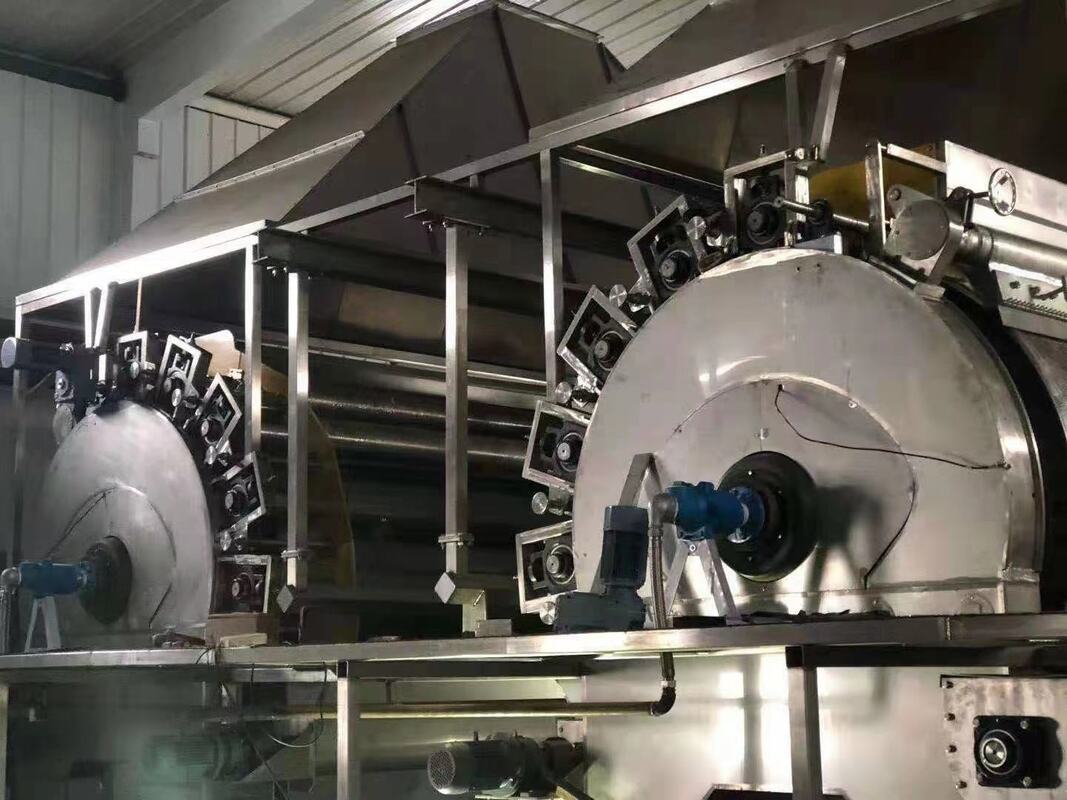
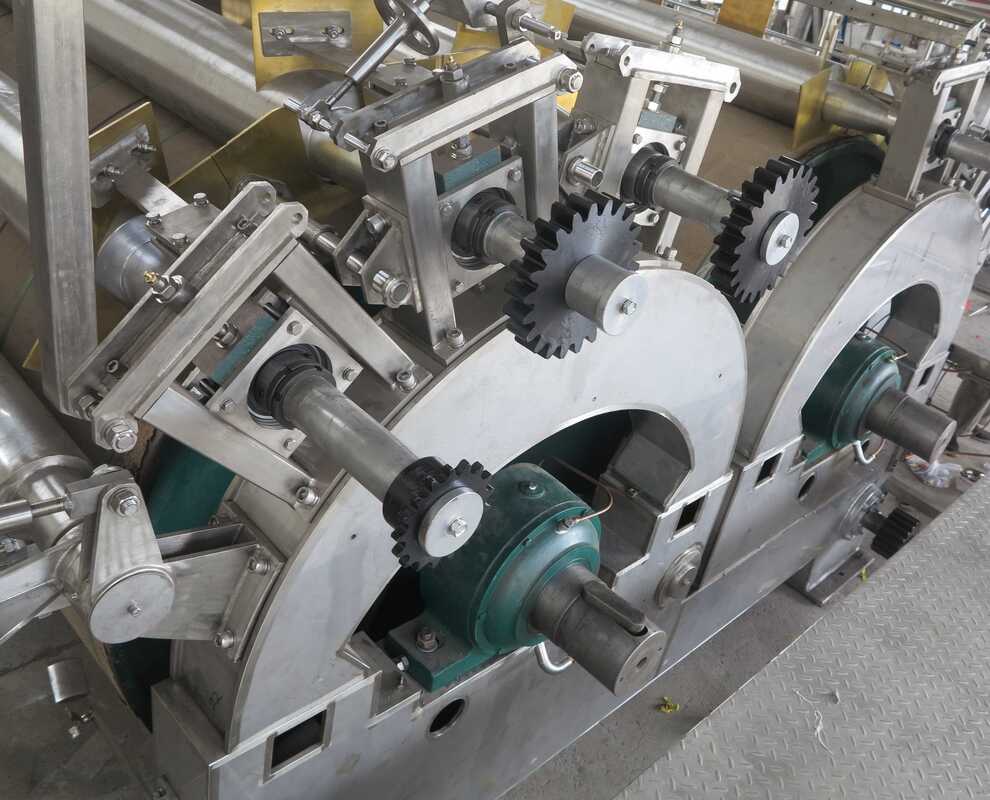
Drum dryers are industrial machines designed to remove moisture from various materials. They have many applications and are utilized in many industries. In this article, we’re digging deep into what drum dryers are, how they work, and what they are used for. What is a Drum Dryer? From its structural point of view, a drum dryer consists of a cylindrical drum that rotates on its axis. Its main components are the following:
How does a Drum Dryer Work? Drum dryers operate on a simple, yet efficient principle designed to remove moisture from materials through heat and contact. To improve understanding, we can break down the process into two main phases: Phase 1: Moisture Evaporation In a drum dryer, a rotating cylindrical drum is internally heated, typically by steam or another heat source. As the drum rotates, liquid or slurry material is uniformly spread across the drum's surface, forming a thin film. This exposure to heat causes the moisture within the material to evaporate quickly. Phase 2: Material Collection As the drum continues to rotate, a scraper blade, positioned against the drum's surface, removes the now-dried material, which has formed into thin flakes. These flakes are then collected and conveyed to subsequent processing stages, where they may be further processed into flake or powder form. Drum dryers are particularly effective because they continuously expose fresh surfaces of the material to heat, maximizing efficiency and uniformity of drying. SinoDryer’s drum dryers leverage high temperatures and pressures, utilizing saturated steam to heat the drum, enhancing the drying process and – when the machine is used in the food industry - ensuring the dried products retain their quality and flavor. However, drum dryers also have applications in other sectors, such as chemicals and environmentally related ones. Drum dryers: applications. Drum dryers are extremely versatile machines that can be used across various industries. The following are the main applications. Food Industry In the food industry, drum dryers play a pivotal role in processing a wide array of products, enhancing their preservation, shelf life, and ease of transportation. The drying process of food is a powerful preservation technique because, while it lengthens the food’s shelf life, it also preserves its taste and flavor. Any kind of flakes and granules (cereal flakes, potato flakes, and more) have undergone a drying process, and anyone can see how these are flagship products in supermarkets worldwide. The drying process is also crucial to creating any kind of food powder, from milk powder to pumpkin or bean powder. In the food industry, drum dryers are key for food companies to keep up with the continuous demand of the sector. Not only do they maximize the throughput, but they also ensure that the final product meets the sector’s quality standards, which is essential for consumer satisfaction and regulatory compliance in the industry. Chemical industry In the chemical sector, drum dryers serve as indispensable tools for the precise drying of a diverse range of substances, including fine chemicals, salts, and polymers. These dryers offer a controlled environment where temperature and airflow can be meticulously adjusted to ensure the optimal drying conditions for each specific material. This level of control is crucial for preserving the chemical integrity and purity of sensitive compounds, preventing thermal degradation or undesired reactions. From industrial starch to pharmaceuticals, from wallpaper glue to fish food, drum dryers are a key piece of equipment in the chemical industry. Environmental sector. The environmental sector also benefits from the use of drum dryers, particularly in the management of waste and sludge. These dryers are used to reduce the moisture content of waste materials, making them easier to process, handle, transport, and convert into useful byproducts such as biofuels or soil amendments. This not only helps in reducing the volume of waste but also in minimizing environmental impact. Conclusion Drum dryers stand as indispensable assets across numerous industries. There are many processes, in many sectors, that require drying of different types of material. Drum dryers are so versatile that they can be used in various sectors, as their parameters can be adjusted to process many types of materials. It means that there is no specific drum dryer for a specific material, but a drum dryer machine would be suitable for different ones, from food to chemicals, and from waste to soil. With their diverse range of applications and unparalleled efficiency, drum dryers continue to be instrumental in advancing production processes across industries, driving innovation and sustainability in material processing and preservation. Modified starch, also known as starch derivatives, is created by altering native starch through physical, enzymatic, or chemical treatments to modify its inherent properties. This process results in a versatile ingredient that finds extensive use across various industries:
Starch modification process The starch modification process begins with native starch, which is the raw material. This starch is introduced into a mixing tank where it is combined with water and other ingredients necessary for the modification. The type of ingredients and amount of water added depend on the expected functionality in products like infant cereals, sweets, beverages, or products outside the food sector, like paper, textiles, or others. From the mixing tank, the mixture is pumped into a holding tank to allow for proper blending and hydration of the components. After sufficient holding time, the mixture is pumped into the drum dryer. The drum dryer plays a crucial role in this process by removing moisture and transforming the starch mixture into a dried, modified form. Following drying, the product is conveyed to a pulverizing unit where it is ground into a fine powder, which is then passed through a cyclone separator to remove any residual moisture and fine particles, ensuring consistent product quality. Finally, the modified starch is packaged and stored, ready for use in various applications. In this complex process, the drum drying step is where the main passage happens: the raw material, with its content of water and other liquid ingredients, is dehydrated to obtain the dried, modified, and final form. In the next paragraph, we analyze this crucial phase in more detail. The Role of the Drum Dryer Machine. In the drum drying phase, the modified starch mixture is fed onto the drum dryer machine through feed rollers that evenly distribute the material along the drum to obtain even drying. They also prevent lump formation in sticky substances through a kneading action and help form a thin layer on the drum's heated surface. The drum itself consists of a cast-iron cylinder. Inside it, the cylinders receive heat from saturated steam, which condenses on the cylinder walls, optimizing heat transfer. Condensate is continuously removed, maximizing the steam condensation surface area. With this heating system, which is a closed-loop system, there is no contact between the steam or condensate and the product. The product only comes in contact with the drum surface, which, being heated, lets the water evaporate from the thin layer of material. After the drum completes two-thirds of its rotation, a knife scrapes off the solidified product. The knife holder's design ensures consistent pressure across the drum's length, using materials that prevent vibrations and guarantee uniform scraping. Knife pressure can be easily adjusted externally, ensuring efficient operation. Benefits of Using a Drum Dryer in the Starch Modification Process. The drum drying process provides several benefits to the modified starch final product that make it more versatile, stable, and enhance its overall quality:
Conclusion The application of drum dryers in the starch modification process is a game-changer for various industries relying on this product. By transforming native starch through physical, enzymatic, or chemical treatments, the resulting modified starches exhibit enhanced properties that are crucial for diverse applications. In the food industry, they act as indispensable agents for thickening, stabilizing, and emulsifying, significantly improving product texture and stability. In pharmaceuticals, modified starches serve as disintegrants and binders, ensuring better quality and performance of medicinal products. The drum drying process is pivotal in achieving these enhancements. Overall, the integration of drum dryers in the starch modification process not only optimizes production efficiency but also elevates the functional properties of modified starches. This technological advancement ensures that modified starches meet the stringent demands of various applications, solidifying their role as essential ingredients across multiple industries. Drying out products such as yeast and proteins can be hard without the use of a drum dryer. For those dealing with yeast slurry, it is important to use a double-drum dryer. The reason is that the drum dryer working principle of a double drum dryer is more likely to produce the kind of results that you would want and expect.
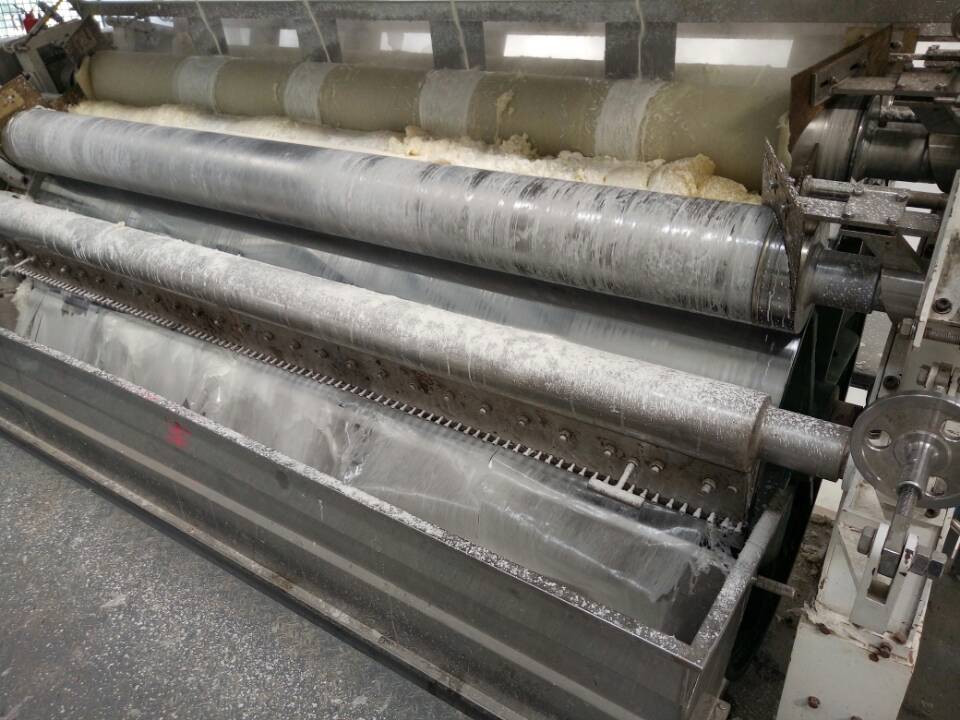
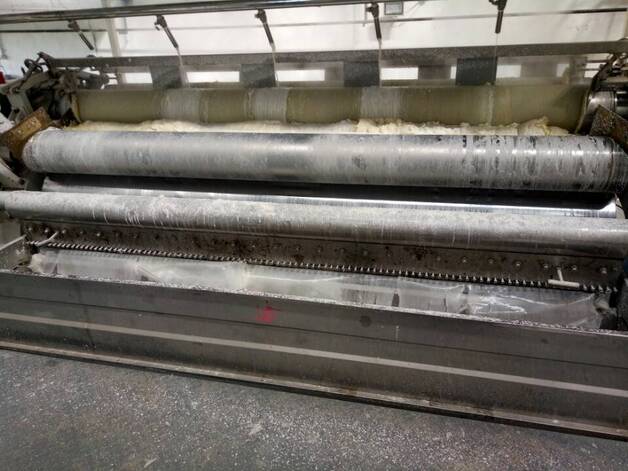
Double drum dryers are extremely useful because they, unlike a single drum dryer, do not use applicator rollers. Double drum dryers only use two primary drums and no applicator rollers. However, drying out yeast products can be perfect for ensuring you get the right consistency and finish. Double Drum Dryer Working Principle: How Does This Work?When using a double drum dryer, the general consensus is to feed the slurry that you want to have dried out into the double drum gaps. This could be something like yeast, whey, proteins, or various other forms of yeast slurry. When fed into the main drums, the slurry will get stuck into the gaps of the drum. When the drum begins its rotation, the slurry should stick to the surface of the drum as well. When stuck to the surface of the heated drum, as it rotates this delivers a thorough and comprehensive drying process. As the drum rotates, this will continue to ensure that more of the slurry is being impacted by the heated drums, ensuring that all of the slurry is dried out properly. When allowed to rotate for a long enough time, this should result in the entire slurry drying out as it should. Over time, the slurry will eventually come off as the drum rotates. This can be scraped off the double drum dryer and then put into a breaker for storage so that it can be used for any purpose you might have. Also, a fan system will be implemented when a double-drum dryer is in use. This fan system will help ensure that the vapour produced by the drier is not being put into the air where you are working. Instead, a hood and then a compartment in the roof will ensure that the vapour is moved outside into the open air to dispel that vapour build-up. By controlling the pressure level within the double drum dryer, its working principle maintains a constant drying temperature. The result is much more consistent, creating a much cleaner and controlled dryness. When used within professional settings, this can help to avoid wastage and make sure that any yeast produce that has to be dried out can be done so in a way that is effective, reliable, and consistent. This is the general working principle of a double drum dryer when used. The machinery we provide at Dongtai Renhui Machinery Co. Ltd ensures you receive this same working principle for any double drum dryer you invest your money in. The result is that you are left with a dried-out yeast product that you can use in any way you need for your own ends. There is a common drum dryer working principle for using a single drum dryer. Generally, this is done by adding the slurry that will be drum-dried. This could be something like starch, flour, oats, or anything else you wish to use a drum dryer for. The starchy slurry is fed to the application rolls, which means that this starch-rich slurry will stick to the applicators.
Then, as the drum rotates, this will mean that the slurry gets stuck to the surface of the drum. As the drum continues to rotate and move around, the layer attached to it begins to dry completely. When finished, this can be extracted from the drum dryer simply by scraping it off and then placed into a breaker. Using a fan also helps to remove any vapour produced by the drier as it works; this is expended via a hood into the roof and out into the open air. To ensure the best single-drum dryer working principle, the temperature is indirectly kept at a constant level. This is done by controlling the pressure level within the drum itself. Starch cells are transferred to the drying drum via the contact zones of the applicator. The layer being dropped onto the drum itself is then kept at a steady temperature thanks to constant contact with a heated surface. This means the drying time is extremely quick and simple compared to other methods. This is one of the main reasons why using a drum dryer can lead to a dried product that retains its quality and taste. Other drying methods can almost burn the produce dry, leading to a drop-off in product quality. With a drum dryer, though, the technique mentioned above helps to make sure that nothing is burnt or overly dried. Thanks to the single drum dryer acting as a separator, too, this helps to ensure that non-cooked starch fragments are not transferred into the drum itself. This means that they retain their position on the rotating layer on the applicator rolls. This helps to ensure that the applicator rollers – of which there can be anything from two to seven present in a single drum dryer – help keep the right balance. The end result is that you are left with a product that dries out properly without impacting the quality, consistency, or usability of the food product itself. Ensuring that non-cooked fragments are not transferred into the drum helps ensure that the dried-out starch is good to be used once it has been scraped out of the drum dryer. The general working principle of drum dryer appliances, then, is simple to follow along with and to use in your day-to-day operations. The drum dryer working principle explained above can provide useful information to understand precisely how your equipment operates. By making sure that the heating process is as consistent as possible, there is a certainty that you can get the right level of heat and dryness applied to the starch goods that you wish to have dried out properly. Pregel starch (also known as alpha starch) is the heating of β starch (raw starch) in the presence of a certain amount of water or hydrophilic solvent, using water or hydrophilic solvent to break the intermolecular hydrogen bond and destroy its regular arrangement Micelle structure. After it is completely gelatinized, it is quickly dried at high temperature, and the resulting hydrogen-bonded, porous, starch particles without obvious crystals are obtained. Compared with β starch, pregel starch has the characteristics of high dispersibility, high oil absorption, high hydration speed, high viscosity and high expansion. Can be widely used in food (especially fast food), medicine, chemical industry, textile, feed and other industries, as an adhesive, adhesive, thickener, sizing agent, etc.
The production of pregel starch with a drum dryer has the advantages of low energy consumption, water saving and less floor space.Paragraph. |
AuthorSinodryer Archives
March 2026
Categories |
Quick links |
cHOOSE A LANGUAGE |
FOLLOW US |
coNTACT DETAILS
|